
Introduction
As we delve into the world of online casinos in 2026, it’s essential to understand the psychology behind casino game design. With the rise of online casinos, game developers have had to adapt to create engaging experiences that keep players coming back for more. A key aspect of this is understanding the psychological factors that influence player behavior. To learn more about the psychology of casino games, visit Snatch casino and explore the various games and features that utilize psychological triggers.
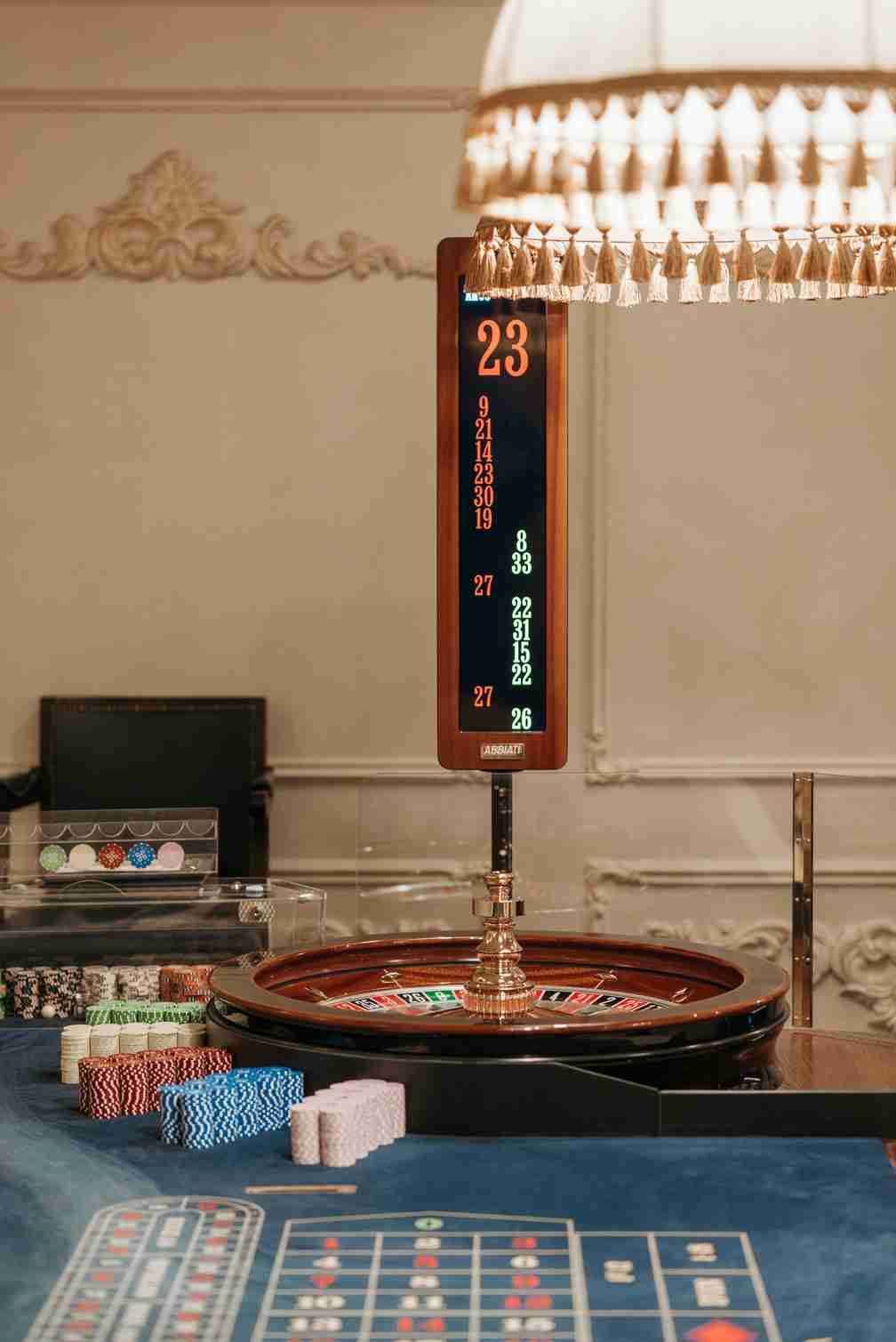
The online casino industry has experienced significant growth, with new platforms emerging every year. To stay ahead of the competition, developers must create games that are not only fun but also psychologically appealing. This is where understanding the psychology behind casino game design comes into play. By incorporating elements that trigger certain psychological responses, developers can increase player engagement and retention.
Psychological Foundations of Casino Games
Operant Conditioning and Variable Rewards
Operant conditioning is a fundamental concept in psychology that refers to the process of learning through rewards and punishments. In casino game design, operant conditioning is used to create an experience that is both rewarding and unpredictable. Variable rewards, such as randomized payouts and bonus rounds, are used to keep players engaged and interested.
This technique is based on the principle of variable ratio reinforcement, where the reward is provided after an unpredictable number of responses. This creates a psychological response known as the “variable reward schedule,” which can lead to increased dopamine release and a higher likelihood of repeat behavior.
The Role of the “Near Miss” Effect
The “near miss” effect is a psychological phenomenon where players perceive a close outcome as a sign of progress, rather than a loss. This effect is often used in casino games to create an illusion of skill, where players feel that they are getting closer to winning. The “near miss” effect can be triggered by features such as “almost win” symbols or close outcomes.
For example, in a slot game, a player may experience a “near miss” when the reels stop just shy of a jackpot. This can create a sense of anticipation and excitement, encouraging the player to continue playing.
Cognitive Biases (e.g., Gambler’s Fallacy, Illusion of Control)
Cognitive biases refer to systematic errors in thinking and decision-making. In casino game design, cognitive biases such as the gambler’s fallacy and the illusion of control are used to create a sense of agency and control. The gambler’s fallacy, for example, is the belief that a random event is more likely to happen because it has not happened recently.
The illusion of control, on the other hand, is the belief that a player has control over a random outcome. This can be triggered by features such as “double or nothing” side bets or “skill-based” games.
Emotional Triggers (excitement, loss aversion, anticipation)
Emotional triggers are used in casino game design to create a psychological response. Excitement, loss aversion, and anticipation are all emotional triggers that can be used to increase player engagement. For example, a game may use flashing lights and upbeat music to create a sense of excitement and energy.
Loss aversion, on the other hand, can be triggered by features such as “double or nothing” side bets, where the player is given the option to risk their winnings in order to win more. This can create a sense of fear and anxiety, encouraging the player to make impulsive decisions.
| Psychological Trigger | Common Game Feature | Player Response | Design Goal | Example Game Element |
|---|---|---|---|---|
| Variable Ratio Reinforcement | Randomized payouts, bonus rounds | Heightened excitement, repeat play | Increase session length | Slot spin + random free spins |
| Near-Miss Illusion | “Almost win” symbols, close outcomes | Perceived progress, urge to keep playing | Boost perceived skill | Reel stop just shy of jackpot |
| Loss Aversion | “Double or nothing” side bets | Fear of losing more than gaining | Encourage additional wagers | Insurance bet on roulette |
| Social Proof | Leaderboards, live dealer rooms | Desire to belong, competition | Drive community engagement | Real-time player win tallies |
| Sensory Overload | Flashing lights, upbeat music | Emotional arousal, immersion | Strengthen memory of game | Neon UI + celebratory sound effects |
Design Elements that Leverage Psychology
Game Mechanics & Player Engagement
Game mechanics such as slot spin dynamics, progressive jackpots, and risk/reward curves are designed to create a sense of excitement and anticipation. The pacing of the game, or the speed of play, can also affect dopamine release and player engagement.
For example, a game with a fast-paced slot spin can create a sense of excitement and energy, while a game with a slower pace can create a sense of anticipation and expectation.
Visual & Audio Design
Visual and audio design elements such as color psychology, sound cues, and celebratory sound effects are used to create an immersive experience. Color psychology, for example, can be used to create a sense of urgency or calm, with red often used to create a sense of urgency and green used to create a sense of calm.
Sound cues can also be used to reinforce wins and mask losses, creating a sense of excitement and anticipation. Celebratory sound effects, such as cheering crowds or confetti, can be used to create a sense of excitement and celebration.
User Interface & Flow
The user interface and flow of a game are designed to create a seamless and intuitive experience. Features such as seamless navigation, “one-click” betting, and adaptive difficulty can be used to reduce friction and capitalize on impulse decisions.
For example, a game with a simple and intuitive interface can create a sense of ease and comfort, while a game with a complex and cluttered interface can create a sense of frustration and confusion.
Monetization & Retention Strategies
In-Game Currency and Bonuses
In-game currency and bonuses are used to create a sense of value and reward. Free chips, loyalty points, and other rewards can be used to encourage players to continue playing and to create a sense of loyalty.
For example, a game may offer a bonus for completing a specific task or achieving a certain milestone, creating a sense of accomplishment and reward.
Time-Based Promotions
Time-based promotions such as countdown timers and limited-time offers are used to create a sense of urgency and scarcity. These promotions can be used to encourage players to make impulsive decisions and to create a sense of excitement and anticipation.
For example, a game may offer a limited-time bonus for completing a specific task, creating a sense of urgency and encouraging the player to act quickly.
Personalization & Data-Driven Adjustments
Personalization and data-driven adjustments are used to create a tailored experience for each player. Adaptive difficulty, tailored offers, and other personalized features can be used to create a sense of agency and control.
For example, a game may use data and analytics to adjust the difficulty level or to offer personalized rewards, creating a sense of excitement and anticipation.
Author
Dr. Maya Sinclair, PhD in Behavioral Economics, is a senior consultant for leading online casino platforms with 15+ years of experience researching gambling psychology and responsible gaming initiatives.
FAQ
How do “near-miss” outcomes influence player behavior?
Near-miss outcomes can create a sense of anticipation and excitement, encouraging players to continue playing.
Why are variable-ratio reward schedules so effective in casino games?
Variable-ratio reward schedules create a sense of unpredictability and excitement, releasing dopamine and encouraging repeat behavior.
Can visual design alone increase a player’s willingness to wager?
Yes, visual design elements such as color psychology and sound cues can create a sense of excitement and anticipation, increasing a player’s willingness to wager.
What ethical considerations should designers keep in mind when applying psychological tricks?
Designers should consider the potential impact of psychological tricks on players, ensuring that they are not exploiting vulnerable individuals and that the games are fair and transparent.
How does responsible gaming intersect with these design principles?
Responsible gaming initiatives should be integrated into the design principles, ensuring that players are protected and that the games are designed to promote healthy and responsible gaming behavior.